Understanding the Basics of Frehf
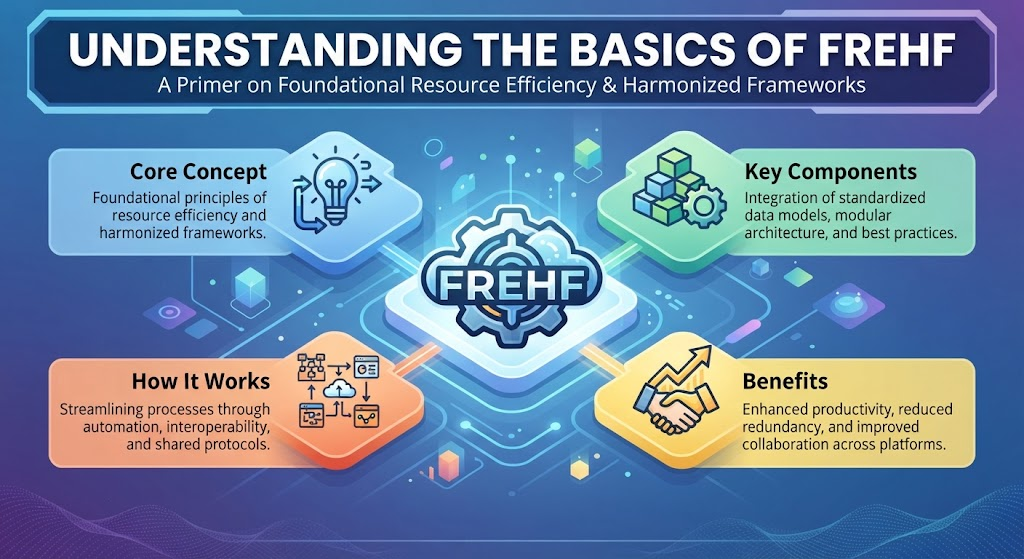
Have you ever felt super busy all day long, but at bedtime, you wondered what you actually accomplished? It is a very common feeling in our fast-paced modern world. People collect countless apps, organize endless to-do lists, and still feel completely overwhelmed by everyday tasks. That exact challenge is why concepts like frehf have started capturing widespread attention. At its core, frehf stands for the Future Ready Enhanced Human Framework. Think of frehf as a helpful roadmap designed to connect your big goals directly with your daily actions. Instead of blindly checking boxes on a paper list, frehf encourages you to pause, look at how you work, and figure out what truly matters. It turns ordinary working habits into a smart, continuous cycle of learning and growth. By focusing on human strengths rather than replacing them with complex technology, frehf helps everyone work smarter, stay organized, and reduce daily workplace stress.
Exploring the Core Pillars of Frehf
To truly understand how frehf works, we need to look closely at its four foundational pillars. These four pillars act like the strong legs of a sturdy table, keeping everything balanced and steady. The first pillar is strategic alignment, which means making sure your daily chores match your ultimate goals. The second pillar is data awareness, encouraging you to use simple facts instead of wild guesses. The third pillar dives into behavioral insight, helping you understand why humans act the way they do at work. Finally, the fourth pillar is iterative improvement, which means getting a little bit better every single day through small adjustments. When these four elements come together under the frehf umbrella, they create a powerful system for personal and group success. You no longer have to guess if your efforts are paying off because the frehf method guides you to measure progress clearly and honestly.
Mastering Strategic Alignment in Daily Life
Strategic alignment sounds like a fancy corporate buzzword, but it is actually a very simple idea. With frehf, strategic alignment means your small actions connect directly to your biggest dreams. Imagine you want to build a treehouse, but you spend all your time collecting tiny pebbles instead of sturdy wooden planks. You are staying busy, but you are not getting any closer to your actual goal. The frehf methodology stops you from wasting precious time on tasks that do not matter. When you apply frehf principles, you sit down and look at every task on your plate. You ask yourself if a specific chore supports your main target. If the answer is no, frehf suggests dropping it or changing it so your energy goes where it counts. This clear focus keeps individuals and teams moving forward together without unwanted distractions or confusing detours.
Cultivating Actionable Data Awareness
Data awareness can sound intimidating, but it simply means paying attention to helpful facts around you. Many people make important choices based purely on gut feelings or emotional guesses. The frehf approach changes this habit by encouraging people to look at real, straightforward numbers. Whether you are tracking how long homework takes you or measuring how fast a team finishes a project, frehf relies on clear indicators. You do not need massive spreadsheets or complicated computer programs to practice frehf data awareness. Even a simple tally mark on a notepad can give you the truth about your habits. By letting real information guide your next steps, frehf helps you spot mistakes early and fix them before they turn into major roadblocks.
Integrating Behavioral Insights to Reduce Friction
Human behavior is fascinating, and we all have funny habits that slow us down at work. Sometimes we procrastinate on difficult assignments, get distracted by shiny notifications, or repeat old mistakes because they feel familiar. The frehf framework looks closely at these natural human patterns to understand why productivity drops. Instead of getting angry at yourself or your teammates when something goes wrong, frehf suggests examining the underlying behavior. Are you avoiding a task because it is too confusing? Does a workflow have too many annoying steps? By applying frehf behavioral insights, you can redesign your environment to make good habits easy and bad habits hard. This human-centered perspective ensures that frehf remains kind, supportive, and practical for real people.
Embracing Human-Centered AI and Automation
Modern technology moves at lightning speed, bringing new artificial intelligence tools to our screens every single day. However, simply adding more software does not automatically make anyone more productive. The frehf model approaches technology with a smart, human-first mindset. Rather than letting automation take over everything, frehf positions technology as a helpful assistant that supports human judgment. Under a frehf workflow, computers handle repetitive chores, summarize long texts, or sort data, while humans make the final creative choices. This balanced partnership prevents digital burnout and ensures that new tools actually serve our needs instead of stressing us out.
Driving Growth Through Iterative Refinements
Nobody becomes a master overnight, and expecting perfection right away is a recipe for instant frustration. That is why frehf places so much value on iterative improvement. Iterative improvement means making tiny, manageable tweaks to your routine rather than trying to overhaul your entire life in one afternoon. If you want to study better, frehf does not ask you to change your entire schedule forever. Instead, frehf suggests testing one small change—like putting your phone in another room for ten minutes—and seeing how it feels. If it works, you keep it. If it fails, you try something else. This flexible, step-by-step nature of frehf makes personal growth feel fun, low-pressure, and entirely achievable for everyone.
Boosting Personal Productivity With Frehf
You do not need to run a massive global corporation to benefit from these powerful ideas. You can easily use frehf principles to organize your own daily schoolwork, hobbies, and personal projects. Start your morning by picking one major goal for the day, matching the core spirit of frehf. Look at the information or tools you need, keeping your setup clean and free of clutter. Notice when you start losing focus, and use frehf behavioral awareness to take a healthy brain break. At the end of the day, review what went well and make one tiny adjustment for tomorrow. By bringing frehf into your personal routine, you will notice less stress, clearer focus, and a much greater sense of accomplishment.
Teamwork and Collaboration Using Frehf
When multiple people try to work together, communication breakdowns and messy handoffs can easily ruin a project. Bringing frehf into a team environment solves this by giving everyone a shared language and clear purpose. Team members can use frehf to map out who is responsible for what, ensuring that no tasks fall through the cracks. Because frehf values open feedback and data awareness, team members feel safe sharing honest updates about their workload. If a deadline is slipping, the team uses frehf problem-solving methods to adjust timelines collaboratively rather than pointing fingers. This creates a positive, resilient team culture where collaboration feels smooth, transparent, and genuinely rewarding.
Sustaining Long-Term Adaptability in a Changing World
The world around us changes faster than ever, bringing unexpected challenges and new trends on a regular basis. Rigid plans that cannot bend usually break when faced with sudden shifts. Fortunately, the frehf framework is built specifically for long-term adaptability. By combining continuous learning with strategic alignment, frehf helps individuals and organizations pivot smoothly when circumstances change. You stop fearing unexpected changes because your frehf routine trains you to observe, learn, and adapt on the fly. This resilient mindset ensures you stay prepared for whatever the future holds while keeping your core values completely intact.
Complete Detailing Biography Table
| Attribute / Detail | Description within the Frehf Context |
| Framework Name | Future Ready Enhanced Human Framework (Frehf) |
| Primary Objective | Connecting high-level strategy with daily human execution |
| Core Pillar 1 | Strategic Alignment (linking goals to daily actions) |
| Core Pillar 2 | Data Awareness (relying on simple, useful facts) |
| Core Pillar 3 | Behavioral Insight (understanding human habits and friction) |
| Core Pillar 4 | Iterative Improvement (making continuous small adjustments) |
| Primary Benefit | Reduced stress, improved clarity, and sustainable productivity |
| Target Audience | Students, creators, professionals, and modern teams |
Frequently Asked Questions (FAQs)
1. What does frehf actually stand for?
Frehf is commonly expanded as the Future Ready Enhanced Human Framework, representing a structured model designed to improve productivity and workflow execution.
2. How can I use frehf in my daily routine?
You can practice frehf by aligning your daily chores with your main goals, tracking simple progress facts, and making small improvements every single day.
3. Is frehf complicated to learn?
Not at all! Frehf is designed around simple, human-friendly concepts that anyone can understand and apply without needing special training.
4. Does frehf require expensive software tools?
No, frehf focuses primarily on your mindset, habits, and strategic alignment, meaning you can use it with a simple pen and paper.
5. Can teams use frehf together?
Yes, teams use frehf to improve collaboration, align responsibilities, and maintain clear feedback loops during complex projects.
6. Why is iterative improvement important in frehf?
Iterative improvement helps you make tiny, stress-free adjustments over time so you can grow consistently without feeling overwhelmed.
